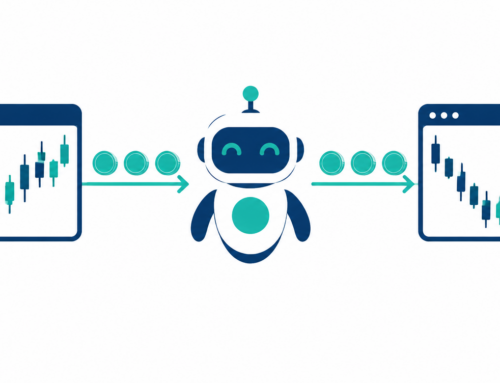

En muchas industrial activities, tasks that were previously performed by humans have begun to be carried out by robots. These They have been built primarily to handle highly repetitive tasks that ultimately made the work hazardous for the worker..
Robots are primarily used in manufacturing and production. And since their use is growing, it is necessary to have a good strategy for Cybersecurity in Industrial Robotics.
Robots as New Employees in Factories
Robots have been incorporated into assembly lines or factories that require more repetitive tasks. That is why the emergence of viruses that could affect them is a major concern for the owners of large manufacturing plants. But could our robots withstand a ciberataque?
After conducting several studies, it has been concluded that An industrial robot can be easily hacked. For this reason, all of the protocols to follow in order to contain it and prevent it from spreading to the other participating robots.

Types of Cyberattacks That Can Be Prevented
When a programmer creates a robot, he or she controls it using commands sent via a drone or similar device. To make it work Only the controller should be involved, as it is capable of receiving un comando, compile it, and wait for it to run and be interpreted.
Industrial robots have a very high level of security, so if any of the rules that ensure that security are violated, an attack can be launched from the robot itself. All of this is caused by a outdated software error; si las libraries or the operating system are not up to date An update must be performed.
We will now outline the relevant changes that may affect security attacks:
- Modifying the controller parameters: The goal is to the robot moves in an unexpected way.
- Changing the calibration parameters: This occurs just as with the previous one.
- Manipulation of production logic: This involves take photos of reality and edit them as we please.
- User-Perceived Robot Disturbance: The The user does not notice the changes.
- Alteration of the robot's state: Its true state is manipulated and the operator loses control.
It is important to note that there are various types of problems based on other criteria:
- Ransomware: This is confuse the user, changing their itineraries and asking to see the blocks in question regarding their update.
- Sabotage of production: This occurs when something is introduced tiny defects that cause the product to start malfunctioning.
- Physical harm: This refers to the infliction of actual harm on the parties and even the risk of injury to the worker.

With all this information, you'll be able to categorize all the factors involved in the equipment inspection period and thus assess where we stand in terms of Cybersecurity in Industrial Robotics. For more information on how to improve Your company's cybersecurity Please feel free to contact our team.