
Any company, whether or not its core business is online, needs a a server on which to upload and process all of your information. At this point, one of the questions that might come to mind is What type of server to use.
To help you with that, here's a comparison Cloud Server vs. On-Premises Server for Businesses so you can see the pros and cons of each type.
Cloud Server
Implementación
In this case, implementation is practically immediate, since these come configured and optimized, ensuring both availability and efficiency.
Once you subscribe, you can access the storage at any time. It's very easy to manage and quick to set up, according to the providers of cloud computing solutions, which always provide the best service to ensure customer satisfaction.

Escalabilidad
Today, scalability is extremely important for virtually every company. Every business expects thrive and grow in terms of size and revenue. That’s why having solutions that adapt to each situation is ideal, and it also helps avoid a larger, unnecessary investment at the outset.
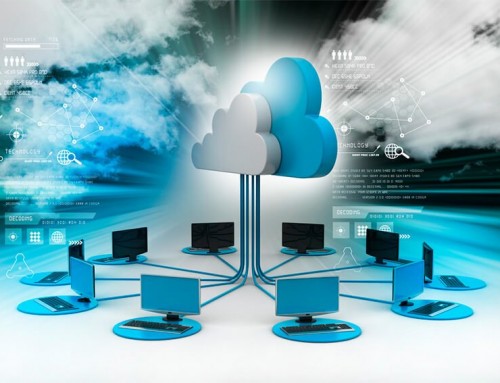
The cloud servers They offer highly flexible and customizable scalability plans that address specific needs as well as every change the company undergoes.
Security
Networking allows the servers are always up to date, featuring the latest versions of computer security.
On the other hand, copies of all the information are created automatically, so it's practically impossible to lose any data.

Availability and Accessibility
This point is perhaps the one that shows the most differences when making a comparison Cloud Server vs. On-Premises Server for Businesses. Both concepts make one thing possible: working anywhere and anytime without any problems.
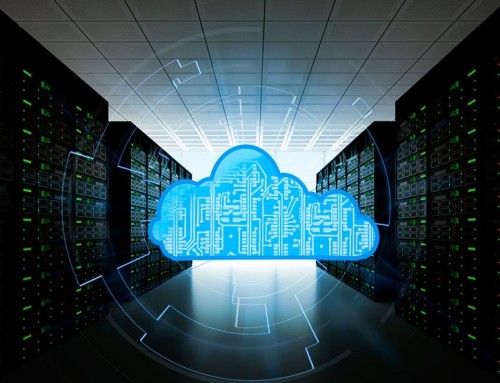
With the cloud, you're guaranteed that availability, backed by servers that—even though they can fail—always have a Plan B so that your information remains available in a matter of seconds.
Local server
Implementación
A local server It is, after all, a machine that requires physical space, maintenance, and configuration to get started.
Setup can be quick or slow, depending on each company's needs as well as the server's specifications, although it is typically a difficult process that often requires a systems and servers expert.
Escalabilidad
A local server is very inflexible when it comes to growth. Since capacity is limited, you have to predict early on how your business will perform and buy a product with the future in mind that will be too big for you right now.
Another option is to go slowly, investing in servers new ones whenever the ones you have aren't enough to meet your business's growing demand.

Security
Manual server updates must be do manually so it is necessary, at the very least, to remember it.
On the other hand, the physical characteristics of these servers make them more prone to overloads, damage, and errors of all kinds—which, moreover, we won't always know how to handle and resolve.
Availability and Accessibility
The availability and accessibility of a local server are much greater limitada.
On the one hand, You will only be able to access your information from that server and the versions installed on other devices that you have previously selected.
On the other hand, a problem or error will, in most cases, be difficult to resolve on your own—unless you have knowledge of the subject—which means you’ll have to invest time and money. In addition, the information will no longer be accessible in the meantime.
Now that you have a thorough understanding of various key aspects of the Cloud servers and the physical servers. Which one do you prefer for your business? Let us know in the comments!